Canterville churchyard
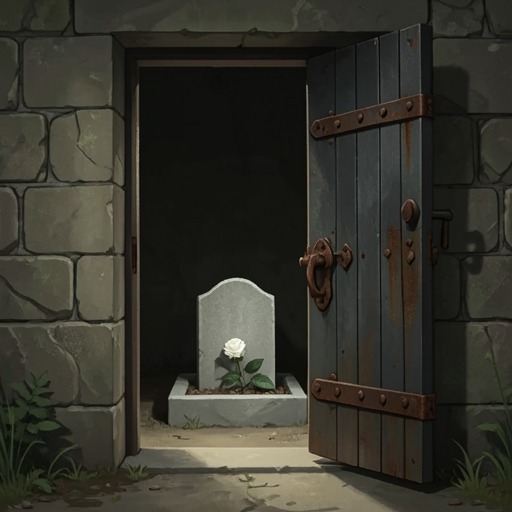
The Canterville GhostCanterville churchyard is the setting for the burial of Sir Simon de Canterville and Virginia’s later visit to his grave. The old yew-tree, the family’s funeral customs, and the almond blossoms Virginia lays on the coffin make the churchyard the story’s principal place of public farewell, joining the end of Sir Simon’s restless existence to the family’s renewed life.
Setting and Earlier Associations
The churchyard lies beside the old family estate and is described as lonely, near the pine-woods. Its significance is bound to Canterville family history: the haunting is said to have been known for centuries, and the ghost’s appearances are associated with the deaths of family members. The account of Lady Eleanore de Canterville’s murder by her husband, Sir Simon, connects the estate’s supernatural reputation to a concealed act of violence. Sir Simon’s remains, however, are not found in the churchyard at first; their discovery in a secret room reveals the truth behind his disappearance and long haunting.
The secret room is a low chamber with a vaulted ceiling and a tiny grated window. An iron ring set into the wall holds a chained skeleton, while an old trencher and ewer lie beyond its reach. Virginia kneels beside the remains and prays as her family witnesses the disclosed tragedy. This discovery gives the later burial its full meaning: the churchyard receives not merely the remains of a family ghost, but the victim of prolonged confinement whose story had been hidden within the house.
Funeral and Burial
Four days after the discovery, a funeral leaves Canterville Chase at about eleven o’clock at night. Eight black horses draw the hearse, whose leaden coffin is covered by a purple pall bearing the Canterville coat of arms. Servants carrying lighted torches walk beside the hearse and coaches. Lord Canterville comes from Wales to serve as chief mourner and rides with Virginia in the first carriage; the rest of the family follows, with Mrs. Umney in the last carriage. The household considers her presence fitting because the ghost had frightened her for more than fifty years.
The grave has been dug in a corner of the churchyard under an old yew-tree. The Rev. Augustus Dampier conducts the service. At its conclusion, the servants extinguish their torches according to an old Canterville custom. As the coffin is lowered, Virginia places upon it a large cross made of white and pink almond blossoms. The moon emerges from behind a cloud, and a nightingale sings from a distant copse. These quiet details contrast with the solemn procession and give the burial a note of release; Virginia remembers the ghost’s description of the Garden of Death and returns home scarcely speaking.
Grave, Memory, and Aftermath
The inscription on Sir Simon’s tombstone is settled only after considerable difficulty. It bears the initials of his name and the verse from the library window, preserving a connection between the grave and the words associated with the haunting while avoiding a fuller inscription. When Virginia and Cecil, Duke of Cheshire, return to Canterville Chase after their honeymoon, they walk to the churchyard. Virginia brings roses and scatters them over the grave before the couple continues to the ruined chancel of the old abbey.
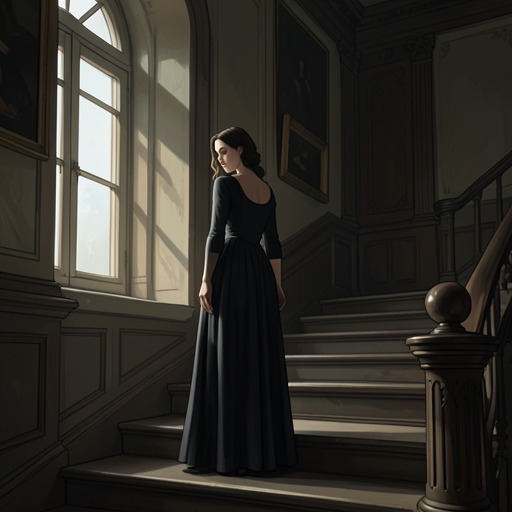
The churchyard thus remains part of Virginia’s life after Sir Simon’s burial. The flowers she lays on the grave turn the place from the destination of a funeral procession into a site of personal remembrance. Her return also links the end of the haunting with her marriage: she has helped Sir Simon find release, and now visits his resting place as a grown woman whose future has opened beyond the events in the house.
Narrative Significance
The churchyard brings private suffering into a public rite. In the hidden chamber, the family encounters the physical evidence of Sir Simon’s fate; in the churchyard, the procession, service, extinguished torches, and burial acknowledge that fate before the household and his family. The movement from concealed remains to a grave beneath the yew-tree gives the story’s supernatural conflict a concrete ending.
Its images also gather the story’s movement from death toward renewal without erasing the past. Virginia’s almond-blossom cross recalls the old tree that flowers when Sir Simon is released, while the roses she later lays on his grave show that remembrance continues after the haunting has ceased. The churchyard is therefore both a place of rest for Sir Simon and a setting in which Virginia’s compassion remains visible.